William C. Head, P.C.
Atlanta DUI Law Firm




A bench warrant means a judge has signed a court order authorizing law enforcement to arrest a specific person who failed to appear in court or failed to obey a court order. Unlike an arrest warrant, no police investigation triggers it. The judge issues it directly from the bench because of something that happened – or did not happen – inside an existing case. So what does a bench warrant mean for the person named on it? It means any Georgia officer who encounters that person can arrest them on the spot.
When court records or an online docket show "bench warrant issued," the bench warrant issued meaning is straightforward: the judge has already signed the order, and it is now active in the system. The warrant has been entered into GCIC (the Georgia Crime Information Center) and into the national NCIC database. From that moment forward, it can be served anywhere in the country. A routine traffic stop in another state can turn into an arrest on an Atlanta warrant.
A bench warrant does not expire on its own. It stays active until the judge recalls it, a court quashes it, or an officer serves it. Years can pass and it still works. Judges in superior, state, magistrate, municipal, and recorder's courts all have bench warrant authority. Under Georgia law, a judge may issue a bench warrant after a grand jury indicts someone, or for a person already charged who fails to appear after notice of the court date – though on a uniform traffic citation the clerk must first mail a failure-to-appear notice and allow 30 days to resolve the charge. Most metro Atlanta warrants grow out of missed court dates in Fulton, DeKalb, Cobb, Gwinnett, and Clayton counties. Each court handles recalls its own way.
Is a bench warrant serious? Yes. A bench warrant authorizes any law enforcement officer in Georgia to arrest the named person on sight – at a traffic stop, at work, or at home.
Many bench warrants issue with no preset bond amount. Without a bond on the paperwork, the arrested person may sit in jail until the issuing judge can hear the case. If that court holds calendar only once a week, the wait can stretch for days. That alone makes every bench warrant a serious matter.
The consequences extend beyond arrest. An outstanding bench warrant can appear on background checks that employers and landlords run. On traffic citations, the failure to appear behind the warrant means a driver's license suspension unless the court orders otherwise. In felony cases, a defendant released on bond who misses court without a sufficient excuse faces a separate bail jumping charge carrying one to five years in prison, a fine, or both.
The seriousness varies by context. A bench warrant on a misdemeanor traffic FTA means county jail until bail is tendered, and a suspended license until the case is resolved. A bench warrant on a felony probation violation can lead the judge to revoke up to two years, or the whole balance of the sentence if a special condition was broken. Both are serious – but the stakes are different, and the strategy for resolving each one changes accordingly.
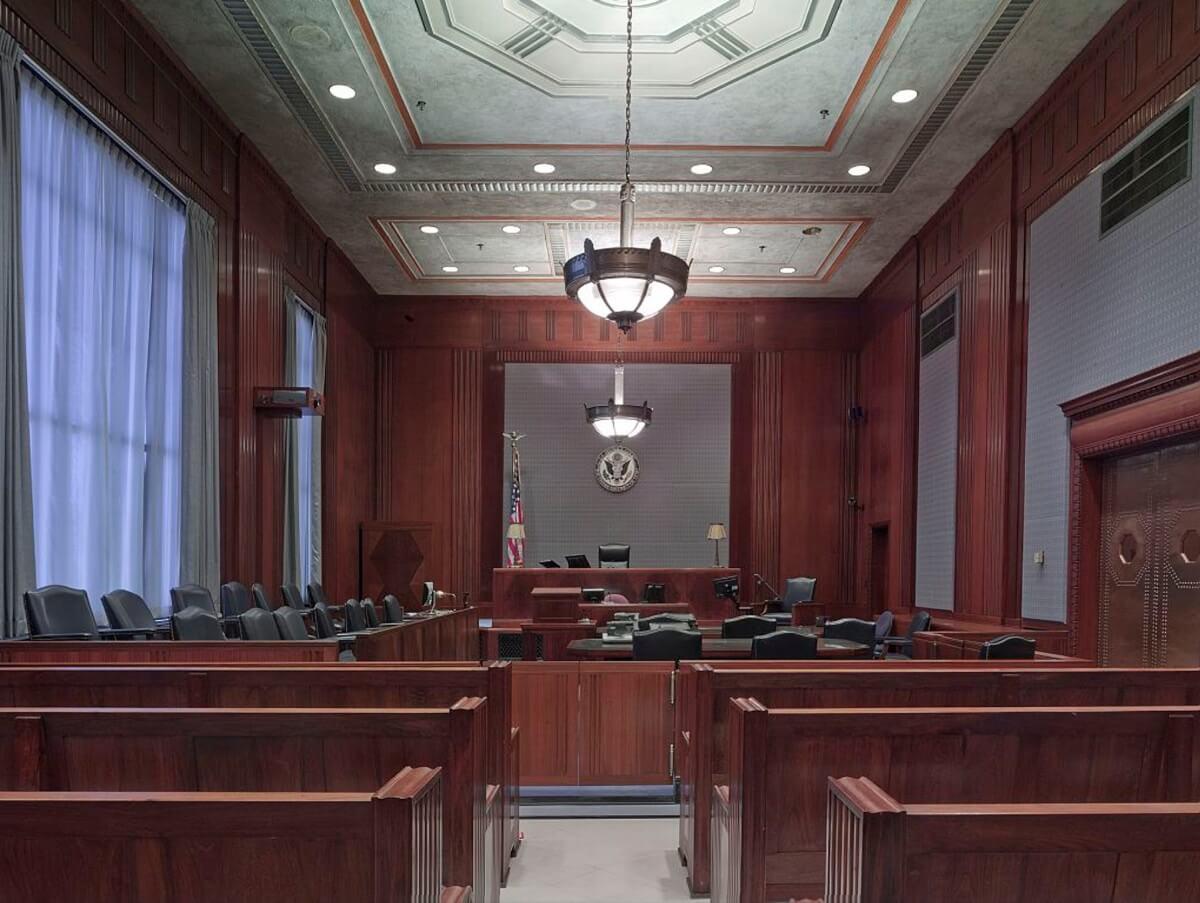
People looking for warrant lawyers usually want this distinction cleared up first. An arrest warrant issues on a sworn affidavit. An officer swears there is probable cause that a named person committed a crime. That warrant starts a case. A bench warrant works the other way. The case already exists. The judge signs the warrant because of something the defendant did, or failed to do, inside that case. Failure to appear, usually shortened to FTA, is the conduct behind most of them. An FTA can cost you more than the warrant itself. On a traffic citation, the clerk mails you a notice allowing 30 days, then forwards your license number to the Department of Driver Services, which suspends your license. In felony cases, skipping court after release on bond may support a separate bail jumping charge. If a bonding company posted your bond, the missed date starts bond forfeiture, so long as the clerk gave the surety the required notice of the court date. Georgia's bond forfeiture procedures give the surety a limited window to produce the defendant. What happens next depends on the court, the charge, and how quickly you act.
The triggers fall into a short list. Missing a scheduled court date. An arraignment, calendar call, plea date, or trial date that passes without you is the most common cause. Failing to pay fines, fees, or restitution. A missed payment plan can put you back on the judge's radar. Violating probation conditions. Missed reporting dates and positive drug screens often lead a probation officer to ask for a warrant. Not finishing court-ordered programs. A DUI Risk Reduction (Alcohol and Drug Awareness) course, a clinical evaluation, or unfinished community service can all end in a warrant. Ignoring a subpoena. Witnesses, not just defendants, can be picked up for skipping a subpoenaed appearance. Failing to appear on a citation. Traffic and municipal citations carry a binding court date. Clerical failures. A citation mailed to an old address, a continuance the clerk never entered, or a lawyer who withdrew without telling the client causes a real share of these warrants. Those defects are often the strongest basis for a motion to recall, because the record shows the defendant never got notice.

An impending bench warrant is not something a court formally announces. But several warning signs suggest a judge may be about to sign one.
The most common signal is a missed court date. If you know you missed an arraignment, calendar call, or plea date, a warrant is likely coming. Other warning signs include a call or letter from a probation officer about a missed check-in or failed drug screen, an unpaid fine reminder from the clerk's office, a text or notice from a bondsman that a court date was missed, or a notice that a court-ordered program deadline has passed.
In many Georgia courts, the judge does not sign the warrant the instant a defendant misses a date. There is often a short window – sometimes only a few days – before the order is entered. That window matters. Contacting a lawyer for a bench warrant during this period gives the attorney time to file a motion to reset the case or arrange a voluntary appearance before an arrest ever happens. Once the warrant is signed, the options narrow.
The arrest can come at a traffic stop, at your home, at your job, or at the courthouse when you finally walk in. The warrant is the reason. You are booked into the county jail that serves the issuing court. A City of Atlanta Municipal Court warrant and a Gwinnett County Superior Court warrant send you to different places. Here is the part that surprises people. A bench warrant often issues with no preset bond amount. Without a bond on the paperwork, you may sit until the judge who signed it can hear the case. When that court holds calendar only once a week, the wait can run for days. The judge may also hold you in contempt for the underlying failure. An active warrant can surface in employment and housing background checks, and it can complicate immigration matters. If you think a warrant is out for you, act now. Do not ignore it and hope it ages out. Do not travel while it is active. Do not walk up to the jail window alone. Talk to a lawyer first – whether the case behind the warrant is a traffic charge, a drug case, or battery or assault charges – so someone is arranging your release before you are ever booked.

A bench warrant defense lawyer works two paths to resolve an outstanding warrant. The first is a written motion asking the judge to recall the warrant without an arrest. The second is a scheduled surrender with a bond already lined up.
Which path makes sense depends entirely on the issuing court's local practice. Some courts – particularly municipal courts and certain state court divisions – will recall a warrant on the papers when the defendant is represented and the underlying obligation is cured. Others require the defendant to appear in person before the judge. A lawyer for a bench warrant needs to know the difference before recommending a strategy.
On the first call, the attorney gathers key information: which court issued the warrant, the case number if known, the reason the defendant missed the obligation, and details about current employment, family ties, and community connections. Those facts shape the bond argument if a surrender is necessary. They also form the core of a motion to recall if the court allows one. The right approach is always court-specific, and a plan built without that knowledge wastes time.
The first step is confirmation. Your lawyer contacts the clerk of the issuing court and checks GCIC to verify that a warrant is outstanding, when it issued, and what case it belongs to. Rumors are common; the docket is the only reliable source. Next comes the defect. The lawyer identifies the issuing judge and pins down why the noncompliance happened. Hospitalization, a notice mailed to a stale address, a continuance the clerk never entered, or a documented work conflict all read very differently to a judge than silence. The motion to recall or quash then lays out that explanation with proof attached. Medical records, a certified address change, an employer letter, or a receipt for a completed class turn an excuse into evidence. Curing the underlying obligation at the same time matters just as much. Many metro Atlanta judges will recall a warrant on the papers when the defendant is represented and the original problem is already fixed – the fine paid, the evaluation completed, probation reporting resumed. Where a Fulton County State Court arraignment notice went to a prior address, a motion supported by proof of that address change is usually the strongest available filing. No lawyer can promise a recall. Whether a judge signs the order depends on that court's practice, the case history, and how many times the defendant has missed court before.
Some judges will not recall a warrant on the papers. They want the defendant in front of them. When that is the court's practice, counsel negotiates a walk-through or a scheduled turn-in. The goal is simple. Get the client processed and released the same day instead of waiting for the next calendar. That usually means arranging the bond in advance so the paperwork moves while the client is being booked. Where the warrant issued with no bond, the lawyer files a motion asking the judge to set one. Judges weigh ties to the community, steady employment, family in the county, prior failures to appear, and the seriousness of the original charge. A bonding company can post the amount once the judge sets it, and your attorney can coordinate that before you surrender. Arriving voluntarily with counsel also signals accountability to the court; an arrest on the street signals nothing. You pick the date and walk in, rather than having an officer pick it for you. Between the two paths, voluntary resolution through counsel almost always leaves you in a better posture with the court.
Searches for bench warrant lawyers near me assume the answer is about distance. Distance is not what matters. Bench warrants are court-specific, so what matters is familiarity with the issuing court's judges, clerks, and recall practices. A Fulton County State Court warrant is handled differently than one out of City of Atlanta Municipal Court, a Cobb County recorder's court, or a Gwinnett County Superior Court probation matter. Knowing which judge signs recalls on the papers saves days. When you evaluate bench warrant lawyers, ask three questions. Does the firm regularly appear in the court that issued your warrant? Will it confirm the warrant exists before quoting you a plan? Can it also handle the underlying case – the DUI, the drug charge, the traffic offense – instead of only clearing the warrant? William C. Head, PC has defended criminal and DUI cases in metro Atlanta courts for decades. That history in Fulton, DeKalb, Cobb, Gwinnett, and Clayton courtrooms shapes how we approach each recall.
A warrants lawyer handles more than just bench warrants. The same practice covers outstanding arrest warrants, probation violation warrants, and FTA warrants across every layer of Georgia's court system – municipal, state, superior, and recorder's courts. If you are looking for lawyers to help with warrants of any type, the key is finding counsel who knows the specific court that issued the order.
Here is how the major metro Atlanta counties typically operate:

Every hour a bench warrant stays active is another hour it can be served – at a traffic stop, a routine background check, or your front door.
When you call William C. Head, PC for a free consultation, the conversation covers three things. First, the attorney confirms whether a warrant is actually outstanding by checking GCIC and the issuing court's docket. Second, the attorney identifies the issuing judge and that court's specific recall practice. Third, the attorney maps out whether a motion to recall or a scheduled surrender is the realistic path forward in your situation.
The call is confidential. Contacting a lawyer for a bench warrant does not alert law enforcement to where you are. No attorney can guarantee that a judge will recall a warrant or set a bond, and every case turns on its own facts. Speak with a bench warrant attorney about your situation before you take any step on your own.

Start with the clerk of the court where your case was pending, since many metro Atlanta counties post dockets online. A lawyer can check GCIC and call the clerk without putting you in front of an officer.
Sometimes. If your attorney files a motion to recall and the underlying obligation is cured, some judges sign the order without an arrest. Others require a scheduled turn-in with a bond arranged in advance.
Indefinitely. Georgia's code sets deadlines for starting a prosecution, not an expiration date for a warrant. It stays in GCIC and NCIC until the judge recalls it, a court quashes it, or an officer serves it.
The warrant itself does not suspend your license, but the failure to appear behind it often does. On traffic citations, the clerk mails a notice allowing 30 days, then forwards your license number to the Department of Driver Services for suspension.
An officer requests an arrest warrant on a sworn affidavit to begin a case. A judge issues a bench warrant inside a case that already exists. A bench warrant also issues with no bond far more often, which is why an arrest on one can mean a longer stay in jail.
Getting a bond set is the next step after a warrant is cleared: see our bail bond lawyers page.