- Free Consultation 24/7: (404) 567-5515 Tap Here To Call Us




Is Obstruction of an Officer a Felony in GA? Georgia Law Explained



What Counts as Obstruction of an Officer in Georgia?

Obstruction of an officer charges arise under Georgia law. The statute punishes anyone who knowingly and willfully obstructs or hinders any law enforcement officer. The ban applies to the lawful discharge of official duties.
The State must prove three elements. First, the person acted knowingly and willfully. Second, the target was an officer on duty. Third, the acts truly blocked or hindered those duties.
Obstruction of law enforcement reaches far more than city police. Sheriff's deputies, state troopers, and jailers fall under it. So do correctional officers. Probation and community supervision officers count too. So do game wardens.
Georgia has no separate resisting arrest law. Other states call that conduct resisting arrest. Georgia calls it obstruction. The offense needs no completed arrest. The officer needs no injury. Hindering the officer's work is enough.
Is Obstruction of an Officer a Felony in GA?
The charge can be a misdemeanor or a felony. The line between them is violence. Most people searching obstruction of officer Georgia penalties want that line drawn first.
Subsection (a) sets out the misdemeanor version. That part covers blocking an officer without violence. Obstruction of an officer misdemeanor in Georgia covers set acts. Giving a false name counts. Refusing lawful commands counts. Walking away from a lawful stop counts. Stepping in while an officer arrests someone else counts.
Subsection (b) creates what many people search for as OCGA felony obstruction. That grade applies when a person offers or does violence to the person of the officer or another legally authorized person, which moves the case out of the misdemeanor tier and into the felony tier. Striking, kicking, shoving, or spitting can support the felony count. So can a fight during handcuffing.
A separate felony subsection covers throwing or expelling blood, urine, feces, vomit, or seminal fluid at an officer, and it carries one to five years as well. The felony may be charged with no injury at all. Offering violence is enough under the law. Some struggles feel like a reflex to the person. Prosecutors may still file the felony grade.
The arresting officer makes the first charge choice. The prosecutor then reviews it. Plea talks can and do cut felony counts to misdemeanors. The report, body-camera video, and the county all play a part.
Court process differs by grade too. Misdemeanors go by accusation in state court. Felonies go by indictment in superior court. So plea talks before indictment can matter.
When the alleged violence toward an officer causes serious or disfiguring injury, prosecutors can add a separate aggravated battery charge under OCGA 16-5-24, which is sentenced on its own felony track.

Penalties for Misdemeanor and Felony Obstruction
Misdemeanor obstruction carries up to 12 months in jail. The fine can reach $1,000. First offenses often end in probation and community service. Jail time is less common. Much rides on the record and the judge.
Felony obstruction carries a prison term of one to five years on a first conviction under Georgia law. A second conviction carries two to ten years. A third or later conviction carries three to 15 years. Probation is still possible. The record and the facts shape that choice.
Other costs catch many people off guard. A felony conviction costs gun rights. A felony also costs voting rights while the person serves a sentence. The conviction shows up on job and license background checks. The conviction may harm immigration status, a commercial driver's license, and a security clearance.
Georgia law may allow first-offender treatment for some defendants. Finishing it avoids an adjudication of guilt. The judge decides who gets it. A person may use it only once.
Outcomes vary widely. The record, the county, and the judge all shape the result.
How Obstruction Charges Come Up During Traffic Stops and DUI Arrests
Obstruction rarely stands alone. The count is most often stacked onto other criminal cases that start with the same arrest. Common partners include DUI, drug possession, and disorderly conduct.
The same scenes repeat across Atlanta-area courts. A driver refuses to step out of the car after a lawful command. A person pulls an arm away or tenses during handcuffing. Someone gives a false name or date of birth. That act can trigger a charge for false identification. Others argue with officers or film too closely at a scene. A passenger steps into a friend's arrest.
The add-on count matters. An obstruction charge gives the State leverage in plea talks. That leverage reaches the main case. Getting the count dropped is often a real defense goal.
The takeaway is simple. A person may decline field sobriety tests and stay silent. Fighting back or lying about a name changes the picture. Those acts turn a winnable stop into a second criminal charge.
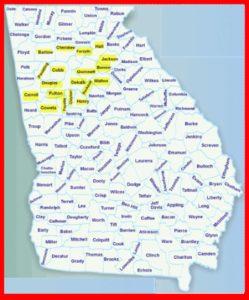
William C. Head, PC has defended DUI and related charges for decades. That work spans Fulton, DeKalb, Cobb, and Gwinnett courts. Those four counties draw a large share of metro Atlanta obstruction cases.
Defenses to an Obstruction of an Officer Charge in Georgia
The officer was not in the lawful discharge of duties. Lawful power is a key element of the offense. An unlawful stop can undercut that element. So can a stop with no support. So can an illegal entry into a home. If the officer had no legal basis to act, what followed may not be a crime.
Words alone are not obstruction. Georgia courts protect most verbal protest. Questions and criticism get the same shield. Arguing with an officer usually falls short of the law. The State must show acts that truly hinder the officer's work. Real interference matters, not rudeness.
No knowing and willful intent. The law requires a knowing and willful act. Panic, poor hearing, or a health problem may negate that state of mind. Loud traffic can drown out a command. A person who never heard a command could not willfully defy it.
No violence was offered. The felony grade turns on violence toward the officer. Video may show only passive resistance. An arm pulling away may also fall short. Knocking out the violence element supports a cut to the misdemeanor grade.
Self-defense against excessive force. In rare cases, a person may lawfully answer an officer's excessive force. This defense turns on the facts. The defense needs clear proof that the force used was not reasonable.
Contradictory evidence. Body-camera, dash-camera, and bystander video often clash with the report. Agencies keep that footage only a short time. Counsel should ask for it fast. Old files get taped over.
The right defense turns on the facts. A Georgia criminal defense lawyer should review the case first.
Speak With a Georgia Obstruction Defense Attorney
An obstruction charge deserves a close look at the proof. A quick guilty plea rarely serves the client. William C. Head, PC offers a free and confidential consultation. We review the report and any video.
Acting early matters. Video windows close. Preliminary hearing dates arrive fast. A felony count is often easier to cut before indictment than after.
Clients should bring the citation or accusation, the bond papers, and the court date. Those papers show the grade, the court, and the deadlines.
The firm has defended Atlanta-area criminal, DUI, and vehicular homicide cases for decades. That work covers Georgia state and superior courts. We will weigh the stop, the officer's power, the video, and the charge. We will pursue every defense. Past results do not guarantee a similar outcome.

Frequently Asked Questions About Obstruction Charges in Georgia
Is obstruction of an officer a felony in GA or a misdemeanor?
Obstruction can be either grade. The conduct decides. Under Georgia law, blocking an officer without violence is a misdemeanor. Violence toward the officer raises the charge to a felony. The report and any video usually drive that call. A prosecutor may revisit it later.
What is the sentence for OCGA felony obstruction in Georgia?
The felony grade carries a prison term of one to five years on a first conviction, two to ten years on a second, and three to 15 years on a third or later conviction. A judge may order probation instead. The record and the facts guide that choice. Some defendants may also seek first-offender treatment. The judge decides, and a person may use it once.
Can you be charged with obstruction for refusing to answer an officer's questions?
Refusing to answer questions usually does not support an obstruction charge. Staying silent is a constitutional right. Georgia courts treat words alone as not enough. Giving a false name is different. That act may support a charge for false identification. Refusing a lawful command to act, rather than to speak, could still lead to charges.
Does Georgia have a separate resisting arrest charge?
Georgia has no separate resisting arrest charge. The state charges that conduct as obstruction instead. Pulling away or tensing during handcuffing is usually a misdemeanor. Fighting, striking, or shoving an officer may support the felony grade. The facts and the county both matter.
Can a felony obstruction charge be reduced to a misdemeanor in Georgia?
A felony obstruction charge often can be reduced to a misdemeanor. Felony counts go by indictment in superior court. Plea talks before indictment may yield a misdemeanor accusation. Weak proof of violence, good video, and a short record all help. Every case differs. Much rides on the prosecutor and the court.
Related reading: Financial Transaction Card Fraud in Georgia: Laws, Penalties, and Defenses.
Contact Us