William C. Head, P.C.
Atlanta DUI Law Firm




Residents who need to check for warrants in Atlanta GA can do so through the Fulton County Sheriff's Office online warrant search, the Georgia Bureau of Investigation (GBI) criminal history records, or by contacting the clerk of the court where a case may be pending. The safest approach is to have an attorney check on your behalf so you avoid the risk of arrest at a government office.
Here are the most common methods to search for active warrants in the Atlanta metro area.
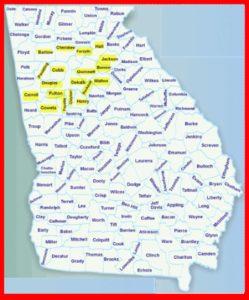
Online search tools. The Fulton County Sheriff's Office maintains a warrant search portal where you can look up outstanding warrants by name. The GBI also offers a criminal history request process for Georgia residents. These tools cover Fulton County cases, but warrants issued in DeKalb, Cobb, Gwinnett, or Clayton County require checking each county's records separately.
Calling the clerk of court. You can call the clerk's office in the county where you believe a case is pending. Each metro Atlanta county – Fulton, DeKalb, Cobb, Gwinnett, and Clayton – operates its own court system. The clerk can confirm whether a bench warrant or arrest warrant exists under your name.
In-person records requests. Some people visit the courthouse to check records directly. However, this carries serious risk. If an active warrant appears in the system, law enforcement at the courthouse may arrest you on the spot.
Hiring an attorney to check discreetly. This is the safest option. A criminal defense attorney can contact the court, confirm whether a warrant exists, and begin working on a resolution plan before you set foot near a courthouse. Walking into a sheriff's office or courtroom with an active warrant can lead to immediate arrest and detention.
So what is a bench warrant in Georgia? A bench warrant is a court order issued directly by a judge – from the "bench" – directing law enforcement to arrest a specific person and bring them before the court. Judges issue bench warrants most often for failure to appear at a scheduled court date, failure to pay a fine, contempt of court, or violation of probation terms.
A bench warrant in Georgia differs from an arrest warrant in an important way. An arrest warrant is issued based on probable cause that a person committed a new crime. A bench warrant, by contrast, addresses a person's failure to comply with an existing court obligation. Under Georgia law, a court may issue a bench warrant when a person charged with a crime fails to appear after receiving proper notice, when a grand jury returns an accusation, or when a prosecutor files an accusation supported by affidavit. A bench warrant attorney can file a motion to lift the warrant and schedule a new court date, often without you spending a night in jail.
Once a judge issues a bench warrant, it enters the Georgia Crime Information Center (GCIC) database and the National Crime Information Center (NCIC) system. This means the warrant is visible to law enforcement agencies across Georgia and nationwide. A bench warrant in Georgia does not expire. It remains active indefinitely until a law enforcement officer serves it or a judge recalls it.
Bench warrants arise from several common situations in Georgia courts. Understanding the triggers can help you recognize whether you may have an outstanding warrant.
Missing a court date. This is the most frequent cause. Whether the case involves a traffic ticket, misdemeanor charge, or felony indictment, failing to appear when required gives the judge grounds to issue a bench warrant immediately.
Failing to pay a fine or restitution. Courts set payment deadlines for fines, fees, and restitution. Missing a deadline without requesting an extension or demonstrating hardship may result in a bench warrant.
Violating probation terms. Probation comes with conditions such as drug testing, check-ins with a probation officer, and travel restrictions. Violating any condition can prompt the probation officer to request a warrant from the court.
Failing to complete court-ordered programs. Judges often require defendants to finish DUI school, community service hours, or anger management classes by a set date. Missing that deadline is a common trigger, especially in metro Atlanta courts where DUI-related failures to appear account for a significant share of bench warrants.
Contempt of court. Disobeying a direct court order – such as refusing to produce documents or ignoring a subpoena – can lead to a contempt finding and an accompanying bench warrant.
An active warrant creates problems that reach far beyond the original charge. The consequences affect nearly every area of daily life.
Arrest during any police contact. A routine traffic stop, a call to police as a witness, or even a seatbelt check can end in arrest if the officer runs your name and finds an active warrant. There is no warning.
Driver's license suspension. Under Georgia law, the Georgia Department of Driver Services may suspend your driver's license if you fail to respond to a traffic citation or appear in court as required. This suspension remains in effect until you resolve the underlying case and pay any required reinstatement fees.
Inability to renew or obtain a Georgia driver's license. Outstanding warrants and associated suspensions block license renewals and new applications.
Firearm purchase denial. Active warrants flag during the NICS background check. A pending warrant may disqualify you from purchasing a firearm.
Employment and housing problems. Many employers and landlords run background checks. An active warrant may appear on these reports, potentially costing you a job offer or rental approval.
Higher bond or bond denial. If police eventually arrest you, the judge may set a higher bond amount or deny bond altogether because you previously failed to appear. The court views flight risk more seriously once a warrant exists.
Warrants do not expire in Georgia. Ignoring the problem does not make it go away. The warrant stays in the system until it is served or a judge lifts it.

Resolving a bench warrant takes a structured approach. Rushing to the courthouse without a plan puts you at risk of arrest and detention. Here is the process that typically produces the best result.
Step 1: Confirm the warrant exists and identify the issuing court. Your attorney can contact the clerk's office in Fulton County State Court, Atlanta Municipal Court, DeKalb State Court, or whichever court issued the warrant to verify its status and learn what the underlying charge involves.
Step 2: File a motion to recall or lift the bench warrant. Your attorney files this motion with the issuing court. The motion explains why you failed to appear and requests that the judge withdraw the warrant so you can address the case on the merits.
Step 3: Arrange a voluntary surrender if needed. In many misdemeanor cases, the attorney can arrange a "walk-through" with the court or sheriff's office. The client turns themselves in at a scheduled time and is processed and released on bond the same day. In our experience handling bench warrant cases in Fulton and DeKalb County courts, arranging a voluntary surrender with a pre-negotiated bond typically results in same-day release.
Step 4: Address the underlying issue. Once the warrant is lifted, you must resolve the original problem. That may mean rescheduling a court date, paying an outstanding fine, or resuming compliance with probation conditions.
Procedures for lifting bench warrants vary between Atlanta Municipal Court, Fulton County State Court, and DeKalb State Court. An attorney familiar with local practice in these courts can navigate the process efficiently and avoid unnecessary delays.
This is one of the most common questions people face when they learn about an active warrant. The answer depends on the circumstances, but voluntary surrender with counsel almost always produces a better outcome than waiting.
Turning yourself in – with your attorney present – signals cooperation to the judge. Courts tend to set lower bond amounts for people who come forward voluntarily. You also control the timing. You can arrange childcare, notify your employer, and walk into the process prepared.
Waiting carries real risks. Police may arrest you during a traffic stop, at your workplace, or at your home – possibly in front of your family. An unexpected arrest means you may spend hours or days in custody before seeing a judge. You lose control over the situation entirely.
That said, you should consult an attorney before taking any action. In some cases, a lawyer can resolve the warrant through a motion without you ever being taken into custody. Every situation is different, and the right strategy depends on the charge, the court, and the judge involved.
If you believe you may have an outstanding warrant in Atlanta or the surrounding metro counties, time matters. Warrants do not go away on their own. Every day an active warrant remains in the system increases the chance of an unexpected arrest.
Bubba Head at William C. Head, PC has decades of experience resolving bench warrants and outstanding warrants in Fulton, DeKalb, Cobb, Gwinnett, and Clayton County courts. The firm can check for warrants on your behalf discreetly, file the necessary motions to recall the warrant, and develop a resolution plan tailored to your situation.
Call William C. Head, PC today for a free, confidential consultation. Learn where you stand and take control of the situation before law enforcement makes that decision for you.

You can search the Fulton County Sheriff's Office online warrant portal, contact the clerk of court in the county where you suspect a case exists, or request a criminal history from the GBI. The safest method is to have a criminal defense attorney check for you. If you visit a courthouse or sheriff's office in person and an active warrant exists, you may be arrested immediately.
A bench warrant is issued by a judge when someone fails to comply with a court obligation, such as missing a court date or violating probation. An arrest warrant is issued based on probable cause that a person committed a new crime. Both authorize law enforcement to take you into custody, but they arise from different circumstances.
No. Bench warrants in Georgia remain active indefinitely until law enforcement serves the warrant or a judge recalls it. There is no statute of limitations on the warrant itself. It will stay in the GCIC and NCIC databases until it is resolved, regardless of how much time passes.
In many cases, yes. An attorney can file a motion to recall the bench warrant and, depending on the court and the charge, may resolve the matter without you spending any time in custody. For misdemeanor cases, attorneys often arrange a walk-through where the client is processed and released on bond the same day.
Yes. Active bench warrants are logged in the GCIC and NCIC databases. These records may appear on employment background checks, housing applications, and firearm purchase screenings. Even after the warrant is resolved, the underlying charge may still appear unless you take steps to restrict or expunge the record.