William C. Head, P.C.
Atlanta DUI Law Firm



By: William C. Head, Award-Winning Board-Certified Drunk Driving Book Author and DUI Specialist providing legal advice for DUI less safe in Georgia and aggressive DUI defense since 1976.
Many drivers first see “DUI Less Safe” on their citation and wonder, “What does DUI Less Safe mean?” Does it mean they were over the legal limit? Can they fight the charge?
Unlike DUI Per Se, which is based on BAC test results, DUI Less Safe relies on officer observations and does not require a breath or blood test. This guide explains the key differences between these charges, and the penalties you may face after being charged with them.
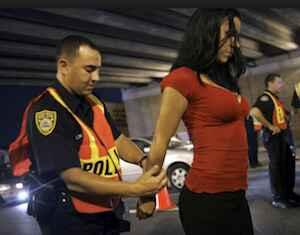
Under O.C.G.A. § 40-6-391(a)(1), Georgia law prohibits operating a vehicle while under the influence of alcohol to the extent that it is less safe for the person to drive. This means that even without exceeding the legal blood alcohol concentration (BAC) limit, a driver can be charged if impaired. The Georgia Code section pertaining to DUI Less Safe is below:
(a) A person shall not drive or be in actual physical control of any moving vehicle while:
(1) Under the influence of alcohol to the extent that it is less safe for the person to drive;
(2) Under the influence of any drug to the extent that it is less safe for the person to drive;
(3) Under the intentional influence of any glue, aerosol, or other toxic vapor to the extent that it is less safe for the person to drive;
(4) Under the combined influence of any two or more of the substances specified in paragraphs (1) through (3) of this subsection to the extent that it is less safe for the person to drive
Being arrested for DUI Less Safe in Georgia starts the process of facing multiple potential penalties. The criminal penalties—such as fines, jail time, and probation—only apply if convicted.
However, under Georgia’s Implied Consent Law, your driver’s license can be suspended immediately after arrest, even before your case goes to trial. This means you could lose your driving privileges simply for refusing a chemical test, regardless of whether you are later convicted of DUI.

This difference between these “types” of impaired driving cases is that the “less safe” DUI cases do not REQUIRE a quantitative result of alcohol drugs or other impairing substances to have been “collected” by police. Following the DUI suspect being arrested for DUI, an implied consent law “notice” is READ by the law enforcement officer on the roadway, in Georgia.
On the other hand, an alcohol DUI per se Georgia case must have a forensic Intoxilyzer 9000 breath test or a blood GBI test for the State to proceed with such per se alcohol charges. The GBI does not rely upon urine tests for ALCOHOL cases but does for identifying TYPES or categories of drugs in urine samples.
DUI Less Safe is usually charged first because that charge is based on observed impairment and BAC test results are not immediately available. This allows them to arrest the suspect and later adjust charges if BAC results confirm a Per Se violation.

DUI Less Safe Cases are prosecuted using circumstantial evidence, which means indirect evidence of impairment from mannerisms, speech patterns, and smell of the impairing substance on your breath or in your car or truck when the windows are rolled down.
Plus, your OWN admissions of drinking (or smoking weed) can be used, plus any attempts to “pass” the bogus NHTSA “field sobriety test” battery of OPTIONAL and VOLUNTARY roadside exercises (e.g., HGN eye test, walk and turn and one leg stand).
Three primary characteristics distinguish a DUI less safe charge from “being over the legal limit” by having submitted to a post-arrest FORENSIC test. In other words, once an officer FIRST places you under arrest and “investigates” whether you were too drunk, stoned or high to operate a motor vehicle (in his or her OPINION) that officer has to be able to prove the “less safe” case in court.
The prosecutor will attempt to get a DUI conviction by proving to a jury that you were impaired by using the following types of evidence:
You have the right to remain silent—use it!

Under Georgia law, DUI Per Se applies when a driver’s blood alcohol concentration (BAC) meets or exceeds the legal limit, even if they appear sober. The Georgia Code section pertaining to DUI Per Se is below:
When an official, evidentiary test is collected on an approved alcohol breath test device, such BAC levels are captured by the electronic device’s computer software program and such results are printed out on an “evidence card” or report. Depending on state regulations, these printed results can be very detailed or only cursory in its reporting, depending on state DUI laws.
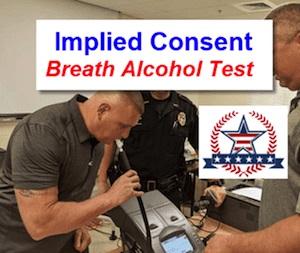
Law enforcement officers are ALL trained to utilize a special license suspension statute called “Georgia implied consent law” in every DUI arrest, once they have cuffed the suspected drunk or drugged driver. This type of law is used in all states, and most (like Georgia) have been in place since the 1950s.
For those arrested for DUI who submit to testing under implied consent, most states use a state-approved breathalyzer to measure blood alcohol content (BAC). In Georgia, the only currently approved breath alcohol test device is the CMI Intoxilyzer 9000. Some states (e.g., California and Tennessee) use more than one manufacturer’s breath alcohol test.
Here is the ultimate irony. Georgia DUI laws do NOT require jail time for a driver who refuses to take the implied consent test after arrest. However, ANY driver (adult, CDL driver, or underage motorist) who SUBMITS and has a breath alcohol content (or blood alcohol level) of 0.08 grams percent or more MUST go to jail for not less than 24 hours—This is the mandatory minimum jail time under Georgia DUI laws.
So, giving a test result CAN cost you a day in jail for a DUI 1st offense in Georgia. Ironically, the State of Maine seriously increases jail time for any driver who DOES refuse, in the Pine Tree State. Plus, in multiple midwestern states (Wisconsin, North Dakota, Minnesota, and South Dakota), the state legislatures have criminalized the refusal to test, after a lawful DUI-DWI arrest.
Many people are surprised to learn that a cop can arrest you and have you prosecuted without a forensic test to PROVE what is in your system. Prosecutors who have your DUI refusal as part of the evidence like to communicate this message to a jury:
“Why would an innocent person not want to provide a test, and not be suspended?”
The subsection for DUI less safe drugs is under (a)(2), while the per se marijuana or contraband driving under the influence of drugs statute is under (a)(6).

If you need a Georgia DUI attorney who is familiar with every trial court in the metro Atlanta multi-county area, our DUI defense team is your first stop.
Our law firm is led by three highly experienced attorneys with over 90 years of collective practice):
Our goal is clear: s to try to find a way for a favorable case disposition by fighting to have a DUI case dismissed, reduced, or go to trial rather than have the client plead guilty.
With over 90 years of combined experience, we have represented thousands of DUI Less Safe cases across Georgia. Our four metro Atlanta offices in Cobb County and Fulton County allow us to represent clients in municipal, recorder, and state courts.
Call 404-567-5515 for a FREE lawyer consultation to review your case facts and options to FIGHT your DUI charge. Let our three top-rated DUI attorneys evaluate your case and find the best way to fight your DUI arrest.